

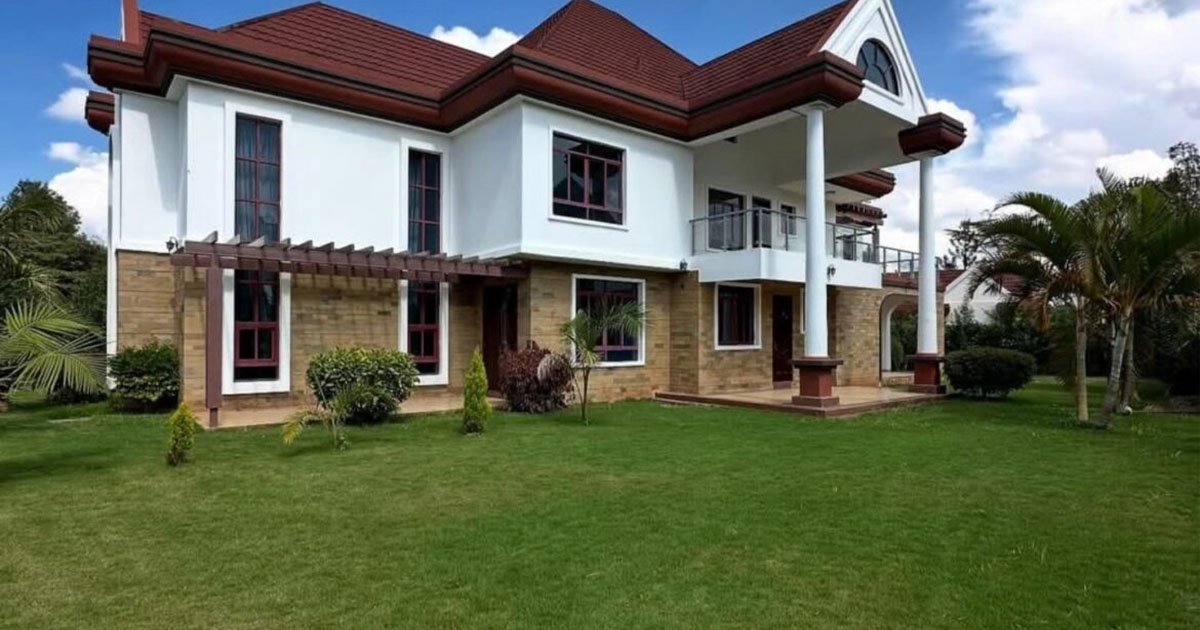

Buying a family home is one of the most important financial and lifestyle decisions most people make. In Nairobi’s dynamic real estate market, families must consider multiple factors including safety, location, schools, financing, and long-term property value.
A well-selected home should provide comfort and security while also serving as a stable long-term investment.
Table of Contents
This guide explains everything families should know when purchasing a home in Nairobi from choosing the right neighbourhood to completing legal checks and finalizing the transaction.
Key Takeaways
Buying a family home requires careful financial planning and research.
Choosing the right neighbourhood significantly affects safety, commute time, and lifestyle.
Legal due diligence is essential to avoid property disputes.
Property inspections help identify hidden issues before completing a purchase.
Families should consider long-term needs such as schools, space, and community environment.
Why Buying the Right Family Home Matters
A home is more than a building. For families, it becomes the center of daily life, education, security, and long-term financial stability.
Choosing the right property can:
Provide a safe environment for children
Reduce daily commute stress
Improve lifestyle convenience
Preserve long-term property value
Create stability for future generations
Because of these factors, buying a family home requires careful planning and research.
Step 1: Define Your Family’s Housing Needs
Before browsing property listings, families should first determine their priorities.
Key questions include:
How many bedrooms are required?
Is outdoor space necessary for children?
How close should the home be to schools or workplaces?
Is a gated community preferred?
What is the maximum affordable budget?
Creating a simple checklist helps narrow down suitable properties and avoid wasting time on homes that do not match your needs.
Step 2: Set a Realistic Budget
Financial planning is essential when buying property.
Families should consider not only the purchase price but also additional expenses such as:
Down payment (usually 10–25%)
Stamp duty and government registration fees
Legal and conveyancing costs
Property valuation fees
Renovation or maintenance costs
Moving expenses
Obtaining mortgage pre-approval from a bank or lender can help determine your actual buying capacity.
Pre-approval also strengthens your negotiating position with sellers.
Step 3: Choose the Right Neighbourhood
Location is one of the most important factors when buying a family home.
Different Nairobi neighbourhoods offer different advantages depending on lifestyle preferences and budget.
Families typically prioritize neighbourhoods with:
Good security infrastructure
Reputable schools nearby
Reliable road access
Access to hospitals and shopping centers
Strong community atmosphere
Some of the most popular family-friendly neighbourhoods in Nairobi include Karen, Runda, Rosslyn, Lavington, Ridgeways, Gigiri, Muthaiga, Kitisuru, Loresho, and Kilimani.
Each area offers unique benefits depending on security, space, convenience, and lifestyle.
Step 4: Types of Family Homes Available
Families purchasing property in Nairobi generally choose between three main property types.
Standalone Houses
Detached houses built on private plots provide space and privacy. Many families prefer them for larger gardens and potential home expansion.
However, they often require higher maintenance and security arrangements.
Townhouses in Gated Communities
Townhouses combine privacy with shared community living.
Residents benefit from estate security, organized management, and shared amenities such as playgrounds or green spaces.
However, homeowners may pay service charges for maintenance and security.
Apartments
Apartments are popular in central neighbourhoods where land is limited.
They offer convenience and lower maintenance but may have limited outdoor space for children.
Families should evaluate building security, management quality, and noise levels before purchasing.
Step 5: Conduct Legal Due Diligence
Legal verification is one of the most critical steps in the property buying process.
Buyers should work with a qualified property lawyer to verify the following:
Ownership and title deed authenticity
Any existing loans or encumbrances on the property
Land zoning and planning compliance
Boundary verification and land survey
Approval for any property extensions or modifications
Failing to perform proper legal checks can lead to costly disputes in the future.
Step 6: Inspect the Property Carefully
Before signing a sale agreement, conduct a full inspection of the property.
Important things to check include:
Structural condition of the building
Roofing and drainage systems
Electrical wiring and plumbing
Water pressure and supply reliability
Security features such as fencing and gates
Signs of moisture, cracks, or foundation damage
Professional property inspections can identify hidden issues that may affect the property’s value.
Step 7: Negotiating the Purchase Price
Property prices in Nairobi can often be negotiated.
Buyers should research comparable property prices within the same neighbourhood before making an offer.
Negotiation strategies include:
Using inspection findings to request price adjustments
Comparing recent property sales nearby
Considering the length of time the property has been listed
A clear and well-structured offer should include the purchase price, payment terms, and transaction timeline.
Step 8: Completing the Transaction
Once both parties agree on the sale terms, the final steps involve legal transfer and payment processing.
Typical steps include:
Signing the sale agreement
Paying the agreed deposit
Completing property searches and legal verification
Paying stamp duty and government fees
Transferring ownership through the land registry
After the transfer is registered, the buyer becomes the legal owner of the property.
Comparison Table: Family-Friendly Neighbourhoods in Nairobi
| Neighbourhood | Security Features | Schools Nearby | Pros | Cons |
|---|---|---|---|---|
| Karen | Gated estates, private security patrols, CCTV | Several international schools | Spacious homes, quiet environment | Longer commute to CBD |
| Runda | Controlled access estates, diplomatic security presence | International schools nearby | Highly secure, green surroundings | High property prices |
| Rosslyn | Gated communities with 24/7 guards | International schools | Close to Westlands and major amenities | Some traffic congestion |
| Lavington | Electric fences, neighbourhood patrols | Well-established schools | Mature suburb, good road network | Rising property demand |
| Gigiri | Embassy and UN security zones | International schools | Very secure, international community | Expensive housing |
| Kilimani | Apartment security systems, controlled access | Urban schools nearby | Close to malls, hospitals and offices | High density living |
Frequently Asked Questions
What is the average cost of a family home in Nairobi?
Prices vary depending on neighbourhood and property size. Premium areas such as Karen, Runda, and Gigiri typically have higher property prices than central locations.
Is it better to buy in a gated community?
Gated communities often provide improved security, shared amenities, and organized property management, making them popular with families.
How long does the property buying process take?
The process usually takes between 30 and 90 days depending on legal verification, financing approval, and transfer procedures.
Do I need a lawyer when buying property?
Yes. A property lawyer helps verify ownership, prepare legal documents, and complete the transfer process safely.
What should I check during a property viewing?
Inspect the structure, security features, plumbing, electricity, and surrounding neighbourhood environment.