

Key Takeaways
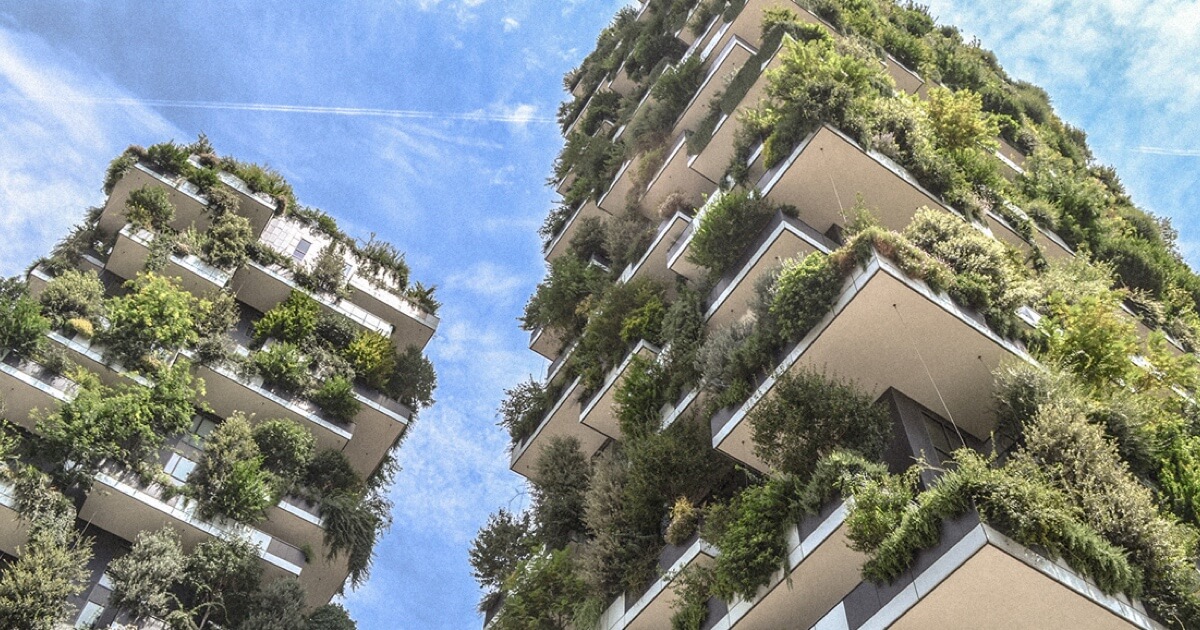
- Sustainability Premiums: Buildings with EDGE certification attract 15% higher rents and 10% higher resale values.
- Utility Crisis: Rising electricity and water costs have made “green” features a necessity to maintain occupancy.
- Energy Independence: Solar water heating is now a legal requirement under EPRA regulations.
- Green Finance: Access interest rates 1% to 2% lower than the market average through “Green Mortgages.”
- Digital Readiness: High-speed fiber-optic cabling is now a basic tenant requirement for remote work.
Introduction
The 2026 Kenyan tenant is “Utility Conscious.” With the rising cost of electricity and water, renters are shunning “old-school” apartments in favor of eco-friendly and “smart” developments.
If you are building or buying today, failing to “green” your property is a recipe for high vacancy rates. Future-proofing your investment means looking beyond aesthetic finishes to the underlying sustainability and efficiency of the building.
The Components of a 2026 “Smart” Home
A “Smart Home” in the Kenyan context refers to infrastructure that ensures continuity of service and lowers living costs.
Energy Independence
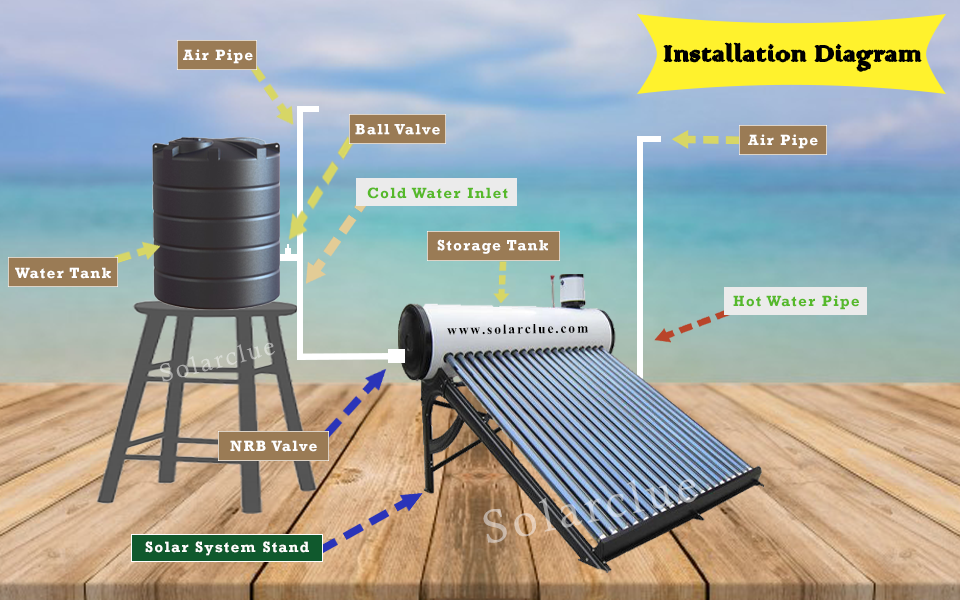
Solar water heating is no longer an option; it’s a legal requirement under EPRA regulations. Smart investors are also installing solar backup for common area lighting and security systems to ensure the building remains functional during grid outages.
Water Security
Properties with boreholes and gray-water recycling systems (for flushing and gardening) are commanding a premium. In areas with inconsistent municipal supply, water independence is the single biggest factor in tenant retention.

Digital Readiness
In the era of remote work, a building without integrated fiber-optic cabling is considered “obsolete.” Tenants expect high-speed connectivity as a basic utility, similar to water and power.

Accessing “Green Finance“
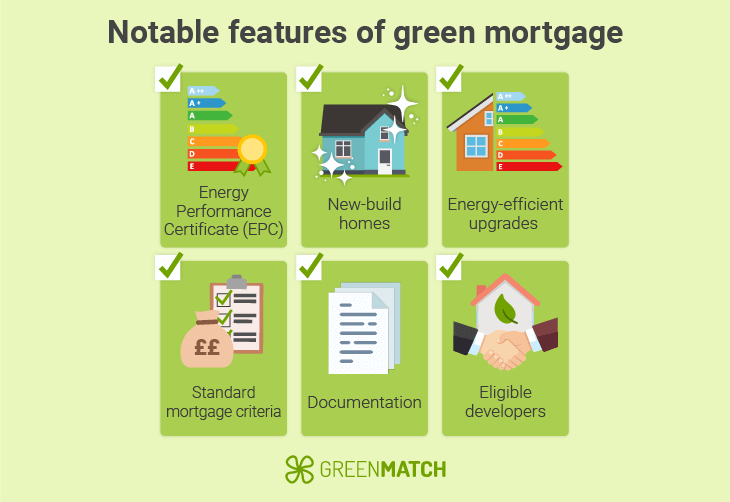
Banks like KCB, Absa, and Stanbic have launched Green Mortgages in 2025/2026. If your home or project meets the EDGE (Excellence in Design for Greater Efficiencies) criteria, you can access interest rates that are 1% to 2% lower than the market average. This “Green Discount” can save an investor millions of shillings over the life of a loan.
Comparative Analysis: Standard Building vs. Green-Certified
In 2026, the market is punishing “Standard” builds that ignore utility efficiency.
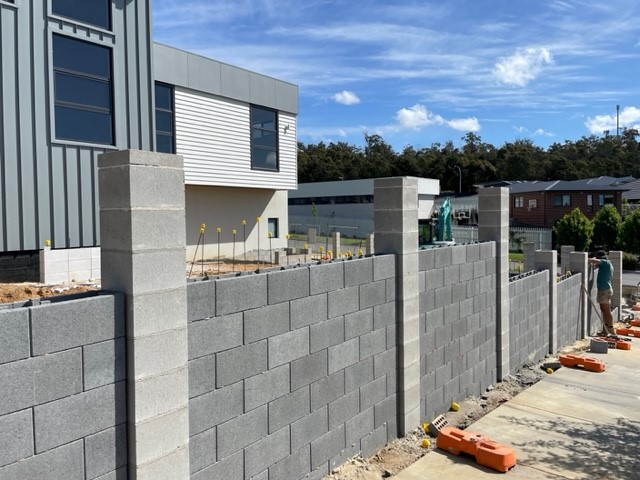
Standard “Babu” Blocks have a lower initial construction cost but face a “race to the bottom” on rents. As tenants become more utility-conscious, these buildings suffer from high turnover and require frequent, costly maintenance of legacy systems.
Green-Certified (EDGE) Buildings require a 3% to 5% higher initial investment but yield significantly better returns. They command 20% higher rents on average because the tenant saves 40% on their monthly utility bills, making the total “cost of living” in the green building lower than in a traditional one.
Comparison Table: Standard vs. Green Building ROI
| Feature | Standard “Babu” Block | Green Certified (EDGE) |
| Construction Cost | Baseline | +3% to 5% |
| Avg. Rent (2BR) | KSh 35,000 | KSh 42,000 |
| Utility Bills | Tenant pays full | 30% – 40% Savings |
| Resale Value | Standard | 10% Premium |
FAQs
Does a “Smart Home” mean just Alexa?
No. In the Kenyan context, “Smart” refers to integrated security (CCTV/Biometrics), automated billing for utilities, and high-speed internet infrastructure.
Is “Green” building expensive?
The initial cost is about 5% higher, but the ROI through higher rents and lower maintenance (like biodigesters vs. exhausting pits) pays off within 3 years.
What is EDGE certification?
It is an international standard for green buildings that proves a building is at least 20% more efficient in energy, water, and materials than a standard build.
Can I retro-fit an old building to be green?
Yes, installing solar, low-flow water fixtures, and LED lighting are common 2026 strategies for upgrading older properties.
Will green buildings be mandatory?
While not all features are mandatory yet, building codes and EPRA regulations are increasingly requiring sustainability features, making it a “de facto” requirement for the modern market.