
Key Takeaways
- Mandatory Digitization: All land transactions in Nairobi, Kiambu, Kajiado, and Mombasa must now be conducted via the ArdhiSasa platform.
- Title Conversion: The Land (Amendment) Act 2024 has converted most freehold titles in strategic urban and coastal zones into 99-year leaseholds.
- Financial Obligations: Previously “free” land is now subject to annual ground rent and strict usage oversight.
- Fraud Prevention: Sellers must have a verified ArdhiSasa profile to legally initiate a transfer.
- Sectional Rights: Apartment owners must now hold Sectional Title Deeds under the 2020 Act to secure bank financing.
Introduction
The landscape of land ownership in Kenya underwent a seismic shift in late 2025. For decades, the “Freehold” title was considered the ultimate “forever” asset a piece of the earth that belonged to an individual in perpetuity with minimal state interference.
However, as of January 2026, the government has completed the first phase of a massive transition toward a standardized, digital-first land administration system.
This move, aimed at standardizing land use and increasing state oversight, means that “ownership” now comes with a renewal date and an annual financial obligation.
The End of “Forever” Land: The Leasehold Conversion
The most significant legislative change in 2026 is the Land (Amendment) Act 2024. This law mandates the conversion of most freehold land in urban, coastal, and “strategic” zones into leasehold tenure.
Understanding the 99-Year Lease
A leasehold title means you “own” the land for a specific period typically 99 years from the state. While this has caused concern for traditional landowners, the law provides a “pre-emptive right” to renew the lease. As long as the land is utilized according to its zoning regulations and all financial obligations are met, renewal is generally guaranteed.
The New Ground Rent Obligation
With the conversion comes a new financial responsibility: annual ground rent. Unlike land rates, which go to the County Government for services, ground rent is paid to the National Government. Investors must now factor this into their annual holding costs to avoid penalties or challenges during lease renewal.
ArdhiSasa 2026: The Mandatory Digital Highway
Buying and selling land in 2026 is no longer a manual process. The National Land Information Management System (NLIMS), known as ArdhiSasa, is now fully integrated with the eCitizen portal and is the legal gateway for all property dealings.
The Digital Search and Verification
A digital search on ArdhiSasa costs KSh 550 and provides a real-time report on a property’s status, including encumbrances such as active loans, caveats, or court orders. Crucially, the system requires the seller to have a verified account. If a seller’s profile is not linked and verified on the platform, the transaction cannot proceed legally.
Electronic Conveyancing
Transferring a title is now an electronic workflow. Lawyers file “Form LRA 33” digitally, and the “completion documents” are no longer paper files but digital tokens that allow titles to transfer in days rather than months.
Sectional Titles: The Standard for Vertical Living
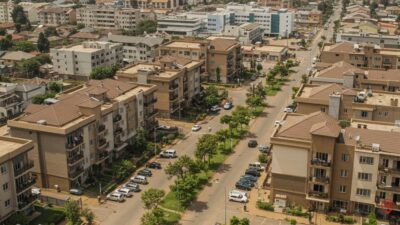
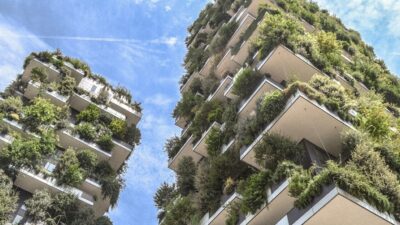
For those moving into apartments in Kilimani or Ruaka, the 2026 legal standard is the Sectional Title Deed. Under the Sectional Properties Act 2020, developers are legally required to provide sectional titles for individual units. These titles give the owner legal rights over their specific air space and a defined percentage of common property. By 2026, major banks have ceased accepting “share certificates” as collateral, making sectional titles a prerequisite for mortgages.
Comparative Analysis: Freehold vs. Leasehold (2026 Context)
In the 2026 market, the choice between these tenures is often dictated by geography and government policy rather than preference.
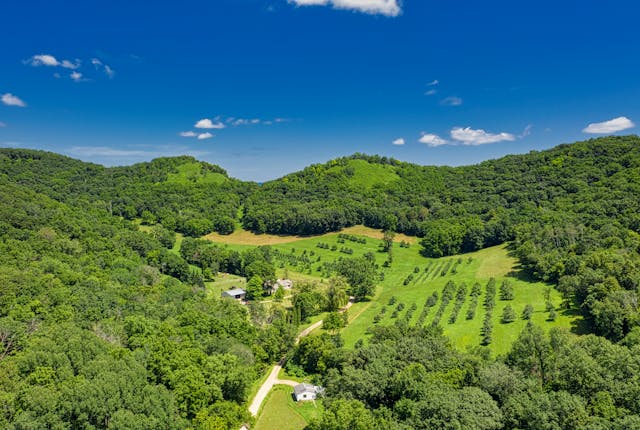
Freehold Ownership remains in deep rural and some agricultural zones, offering the highest level of autonomy and no annual ground rent. However, its value as collateral is decreasing in urban-adjacent areas as banks favor the standardized leasehold system.
Leasehold Ownership is now the urban standard. While it involves annual rent and a 99-year limit, it offers significantly higher security through the ArdhiSasa platform. The state’s ability to monitor leaseholds more closely has led to a “cleaner” registry with fewer duplicate titles. For investors, the renewal rights protected by law make it a long-term asset that behaves similarly to a freehold in terms of resale.
Comparison Table: Land Ownership Features
| Feature | Freehold (Pre-2025) | Leasehold (2026 Standard) |
| Duration | Indefinite/Forever | 99 Years (Renewable) |
| Annual Cost | Land Rates only | Land Rates + Ground Rent |
| Digital Integration | Often manual/legacy | 100% ArdhiSasa Linked |
| Collateral Value | Maximum | High (if >21 years left) |
| State Oversight | Minimal | High (Usage must match zoning) |
FAQs
Can a foreigner still own land in Kenya in 2026?
Yes, but only on a leasehold basis for a maximum of 99 years. The 2024 Amendment reaffirmed that non-citizens cannot hold freehold land.
What happens if my 99-year lease expires?
You have a “pre-emptive right” to renew. Provided the land is utilized according to its zoning and ground rent is paid, renewal is generally guaranteed.
Is ArdhiSasa available in all counties?
As of 2026, Nairobi, Kiambu, Kajiado, and Mombasa are 100% digital. Other counties are in various stages of migration.
How do I know if my freehold title has been converted?
Log into your ArdhiSasa profile; the system will automatically display the current status of any property linked to your ID.
Is ground rent the same as land rates?
No. Land rates are paid to the County Government, while ground rent is paid to the National Government via the Ministry of Lands.