

Key Takeaways
- Infrastructure Dominance: Land value is now driven by distance to the nearest Expressway exit or BRT station rather than the CBD.
- High-Growth Zones: Malaa (20.8%) and Ruiru East (20.0%) are leading the market in annual appreciation.
- The “Expressway Effect”: Syokimau and Mlolongo have seen a 15% price spike due to reduced commute times.
- Joint Ventures: Landowners are partnering with developers in 30/70 splits to turn “dead land” into rental assets.
- Lifestyle Shifts: Standalone plots are being ignored in favor of serviced “Gated Community” setups.
Introduction
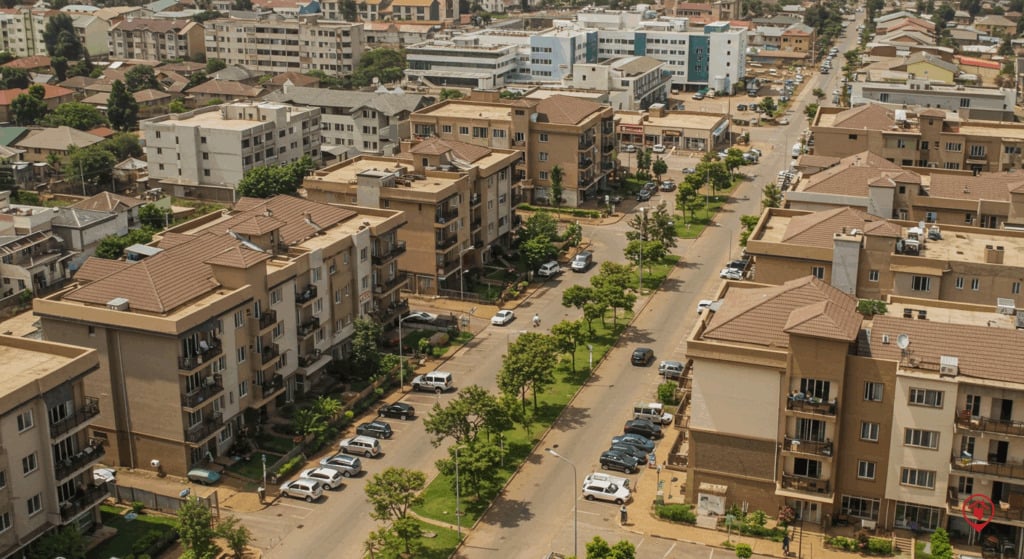
In 2026, the value of land in Kenya is no longer determined by its distance from the Nairobi CBD. The “Satellite Surge” is real, and it’s being driven by middle-class families fleeing high urban rents for areas near Expressway exits or Bus Rapid Transit (BRT) stations.
This shift has turned former “bush land” into bustling residential hubs, offering savvy investors annual returns on investment (ROI) that far exceed traditional savings accounts.
The 2026 Growth Corridors
Based on recent data, infrastructure is the primary catalyst for land value appreciation in 2026.
The Eastern Bypass Expansion
Areas like Kamulu, Joska, and Malaa are the biggest beneficiaries of the bypass expansion. Land that cost KSh 600,000 in 2021 is now fetching between KSh 1.8M and 2.5M. Malaa, in particular, has seen a 20.8% growth rate as it transitions into a premier residential outpost.
Juja and Thika: The Yield Kings
Driven by the dual-carriageway and the presence of major universities, Juja remains the “student housing” capital. It offers the highest rental yields (8-10%) for low-cost apartments and a projected annual land appreciation of 17.8%.
Syokimau and Ngong
Syokimau continues to benefit from the “Expressway Effect,” maintaining steady growth. Meanwhile, Ngong and Kiserian have transitioned from rural outposts to “Cool Nairobi” suburbs thanks to the SGR and the expansion of Ngong Road.
The “Joint Venture” (JV) Trend
In 2026, many landowners with prime plots but no capital are choosing not to sell. Instead, they partner with developers. In a typical JV, the owner provides the land, the developer builds an apartment block, and they split the units (e.g., a 30/70 split). This is currently the fastest way to turn dormant land into an income-generating asset without taking on debt.
Comparative Analysis: Plot vs. House for Investment
In the 2026 market, your choice depends on whether you seek long-term wealth or immediate cash flow.
Buying a Plot in a growth corridor like Malaa offers much higher capital gains. The land appreciates quickly as infrastructure improves, but it generates zero income until it is developed or sold.
Buying a House (specifically 1-bedroom units) in established satellites like Juja offers better monthly cash flow. Rental demand is high and consistent, providing a steady income stream, though the capital appreciation of the building itself is generally slower than that of raw land.
Comparison Table: 2026 Appreciation Rates
| Town | 2025 Avg. Price (1/8th acre) | 2026 Projected Price | Growth Rate |
| Malaa | KSh 1.2M | KSh 1.45M | 20.8% |
| Ruiru East | KSh 2.5M | KSh 3.0M | 20.0% |
| Juja | KSh 2.8M | KSh 3.3M | 17.8% |
| Syokimau | KSh 4.5M | KSh 5.0M | 11.1% |
FAQs
Is it safe to buy land in Malaa?
Yes, provided the title is on ArdhiSasa. Always check for “Ancestral Land” disputes, which are common in the Machakos-bordering areas.
Why are gated communities more popular than standalone plots?
Gated communities offer shared security, infrastructure, and amenities like water and electricity, which are often missing in standalone “open” plots.
What is the typical split in a Joint Venture?
The most common split is 30% for the landowner and 70% for the developer, though this can vary based on land value and construction costs.
How has the SGR affected property in Ngong?
It has made the area more accessible for commuters and logistics, driving up residential demand and land prices.
Can I get a loan to buy a plot in a satellite town?
Yes, many Saccos and banks provide “plot loans,” though the interest rates may be slightly higher than those for finished residential houses.