

Key Takeaways
- Asset Democratization: You no longer need millions to invest in real estate; REITs allow entry with as little as KSh 5,000.
- High Liquidity: Sell your property “shares” on the Nairobi Securities Exchange (NSE) in minutes (T+3 settlement).
- Fractional Ownership: Platforms like Vuka allow co-ownership of high-end Westlands Airbnbs for monthly income.
- Professional Management: Investors benefit from expert fund managers who handle all maintenance and tenant issues.
- Tax Efficiency: REITs offer specific tax advantages, including exemptions on income at the trust level.
Introduction
The barrier to entry for Kenyan real estate has crumbled. In 2026, you don’t need KSh 5 million to be a property mogul. Through Real Estate Investment Trusts (REITs) and Fractional Ownership, the “Mama Mboga” and the “Corporate CEO” can own the same premium assets.
This shift has opened up the market to a new generation of micro-investors who prioritize liquidity and passive income over traditional land banking.
How REITs Work on the NSE
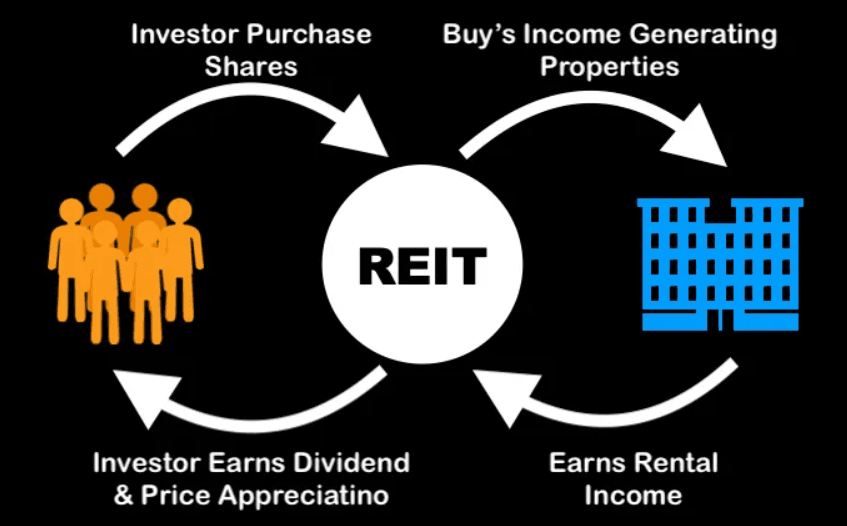
A REIT is like a mutual fund for property. You buy units listed on the Nairobi Securities Exchange (NSE), and the proceeds are pooled to invest in large-scale real estate.
I-REIT (Income)
These focus on finished, rent-paying buildings like malls or student hostels (e.g., Acorn). They are legally required to pay out 80% of their rental income as dividends to unit holders. They are ideal for those seeking regular, passive income.
D-REIT (Development)
These are designed for aggressive capital growth. They invest in the construction phase of projects, and investors profit from the appreciation once the building is completed and either sold or moved into an I-REIT.
Fractional Ownership: The Airbnb Play
Platforms like Vuka have popularized “Fractional Ownership” in 2026. Instead of buying a KSh 12M apartment in Westlands for Airbnb yourself, you and 99 others buy “fractions” for KSh 10,000 each. The platform manages the cleaning, bookings, and security, and you receive your share of the profit every month directly to your M-Pesa.
Comparative Analysis: Physical Plot vs. REIT Units
In 2026, the choice between physical land and digital units is a choice between control and convenience.
Buying a Physical Plot offers full control and potentially massive capital gains. However, it requires significant capital (KSh 1M – 5M), is very illiquid (can take months to sell), and requires active management like fencing and security.
Buying REIT Units offers extreme convenience. You can start with KSh 5,000, sell your shares in minutes on the NSE, and have no management headaches. While you don’t “own” a specific corner of the earth, you own a share of high-performing commercial assets managed by professionals.
Comparison Table: Modern Investment Models
| Factor | Buying a Physical Plot | Buying REIT Units |
| Entry Cost | KSh 1M – 5M | KSh 5,000 |
| Liquidity | Low (Months to sell) | High (T+3 on NSE) |
| Management | You (Fencing, security) | Professional Fund Manager |
| Taxes | Stamp Duty (4%), CGT (15%) | Withholding Tax on Dividends |
FAQs
Are REIT dividends guaranteed?
No, they depend on occupancy rates and rental collection. However, REITs like Acorn (student housing) have maintained 90%+ occupancy through 2025.
Can I use REITs as collateral for a bank loan?
Yes, most Tier-1 banks in Kenya now recognize NSE-listed REIT units as liquid collateral.
What is the risk of fractional ownership?
The main risk is “platform risk” if the managing company fails, the process of liquidating your share can be complex.
Do I need a broker to buy REITs?
Yes, you buy them through a licensed stockbroker or via mobile trading apps connected to the NSE.
Can I buy REITs for my child?
Yes, you can open a custodial CDS account for a minor and begin building their property portfolio early.