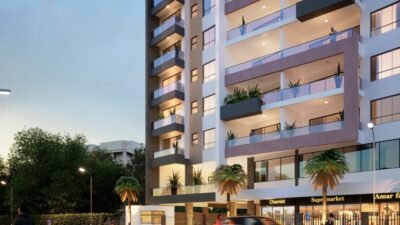


Solar panels, smart lighting, backup power and modern glazing are attractive brochure features. But when evaluating an energy-efficient apartment in Kenya in 2027, the useful question is not whether the developer uses the word “green”. It is whether the building measurably reduces running expenses, remains comfortable and is maintained affordably over time.
For apartment owners, utility bills and service charges continue long after a marketing campaign ends. A lower-efficiency building may cost less to buy but more to occupy, while a well-designed development can protect residents against waste and operational disruption. Neither a price premium nor a specific saving should be assumed without measured evidence.
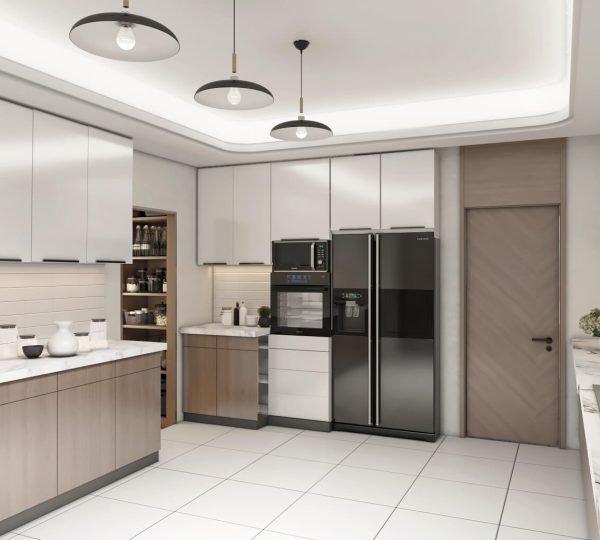
Gazebo Homes Ltd’s interior visualisation demonstrates intended design and finish. It does not verify electricity consumption, the final specification or running-cost savings.
Kenya’s energy context
Electricity costs depend on the customer tariff, consumption band and adjustments reflected on a bill. The Energy and Petroleum Regulatory Authority (EPRA) publishes energy statistics and tariff information. Its reports show that total domestic cost per kWh varies by category and month. For 2027, compare actual bills from several occupied apartments with similar household sizes rather than treating an illustrative tariff as a permanent price.
Water efficiency matters too, especially in buildings dependent on storage tanks, pumping, treatment or supplemental supply. Water-saving taps can reduce consumption, but only if residents use them properly and the plumbing system is maintained.
How to evaluate green claims
| Advertised feature | Evidence the buyer should demand | Operating question |
|---|---|---|
| Solar power | Installed capacity, metering and maintenance contract | Which loads does it serve? |
| Backup generator | Rated capacity, testing logs and fuel budget | What is the cost per occupied unit? |
| LED lighting | Fixture schedule and common-area controls | Are corridor lights sensibly automated? |
| Insulation / glazing | Product and installation specifications | Is indoor heat and noise reduced? |
| Efficient pumps | Manufacturer ratings and energy logs | Is water pressure reliable at peak times? |
| Smart controls | Demonstration and warranty | Can the system work without proprietary subscriptions? |
| Wastewater / rainwater systems | Approvals, quality tests and operations plan | Who maintains and monitors them? |
The absence of a single feature does not automatically mean the building is inefficient. Similarly, a checklist full of fashionable technology does not mean the owners’ association can afford replacement parts five years later.
Illustrative bill comparison—not a performance claim
Consider two otherwise similar hypothetical households. Household A uses 250 kWh monthly and Household B uses 200 kWh through more efficient equipment and habits. At an illustrative all-in rate of KSh 28 per kWh, the monthly difference is KSh 1,400, or KSh 16,800 annually. Actual savings depend on the tariff, load, weather, equipment and whether common-area costs also change.
A more expensive efficient apartment does not automatically pay back its price premium. Calculate:
Simple payback period = additional upfront cost ÷ verified annual savings.
If the buyer spends an extra KSh 300,000 solely for energy-saving equipment that saves KSh 20,000 a year, simple payback is 15 years, ignoring maintenance, tariffs, interest and replacement. This illustrates why independent measurement matters.
Shared building costs can outweigh household savings
An apartment may have efficient individual appliances but high collective costs from lifts, generators, landscaping, security, water pumping and staff. Request the approved service-charge budget, audited accounts if available, sinking-fund contributions and arrears policy. Calculate costs per square metre and examine whether the management company has a maintenance plan.
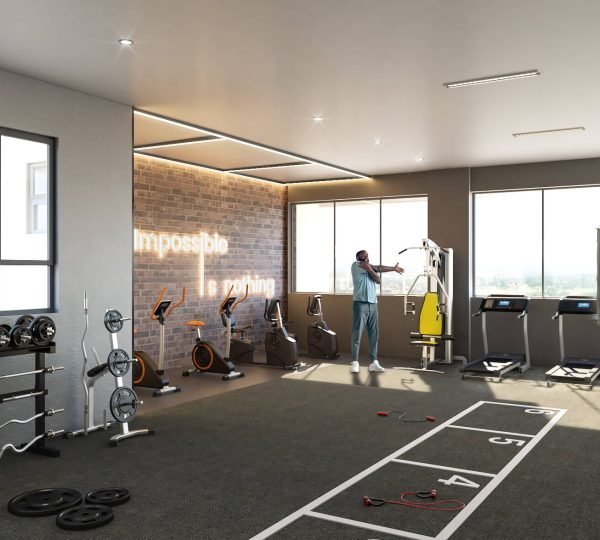
Communal amenities are useful only when they are properly maintained. A fitness centre, sauna or large rooftop terrace may increase electricity, staffing and repair costs that are allocated through service charges.
Quality checks during a site visit
Visit in daylight and after dusk where access is permitted. Look at cross-ventilation, drainage slopes, waterproofing, natural light, hallway noise, emergency lighting and the practicality of windows. Ask for proof of lift servicing, fire-safety systems and standby power tests. An independent building professional can document issues before handover.
For buyers evaluating smart living around Parklands, Nommadj has an existing Parklands apartment guide and an apartment inspection checklist. Their guidance should be supplemented with the building’s real operating records.
2027 resale value: a hypothesis to test
Buyers may prefer quieter, more dependable and more affordable homes as competition expands. That is a plausible driver of relative desirability; it is not evidence of a quantified green price premium in Nairobi. To establish such a premium, a valuer would need comparable transactions controlling for age, size, location, finishes and amenities.
FAQ: Do solar panels eliminate service charges? No. Buildings still pay for maintenance, staff, repairs and potentially generator fuel.
FAQ: Should I pay extra for smart-home equipment? Only after checking interoperability, replacement costs, warranties and the value you personally receive.
Bottom line: Demand metered consumption, actual maintenance budgets and independent inspection before paying for an energy-efficiency claim.
Sources and methodology
- EPRA official energy and petroleum statistics
- Ministry of Energy, electricity tariff review update, June 2026
- Gazebo Homes, official project descriptions
Related Nommadj 2027 reading
- Nairobi Neighbourhoods for Diaspora Investors in 2027 (another 2027 article in this draft series)
- Parklands Apartments 2027: Prices, Rents and New Supply (another 2027 article in this draft series)
Editorial disclosure and update note (23 November 2026): This article is market analysis, not a specific investment offer or personalised legal/tax advice. Nommadj references Gazebo Homes Ltd project materials with publisher-confirmed reuse permission; developer visualisations are labelled and are not independent proof of construction, occupancy or financial performance. Figures are dated and may change before 2027. Independently verify property claims and transaction documents.