

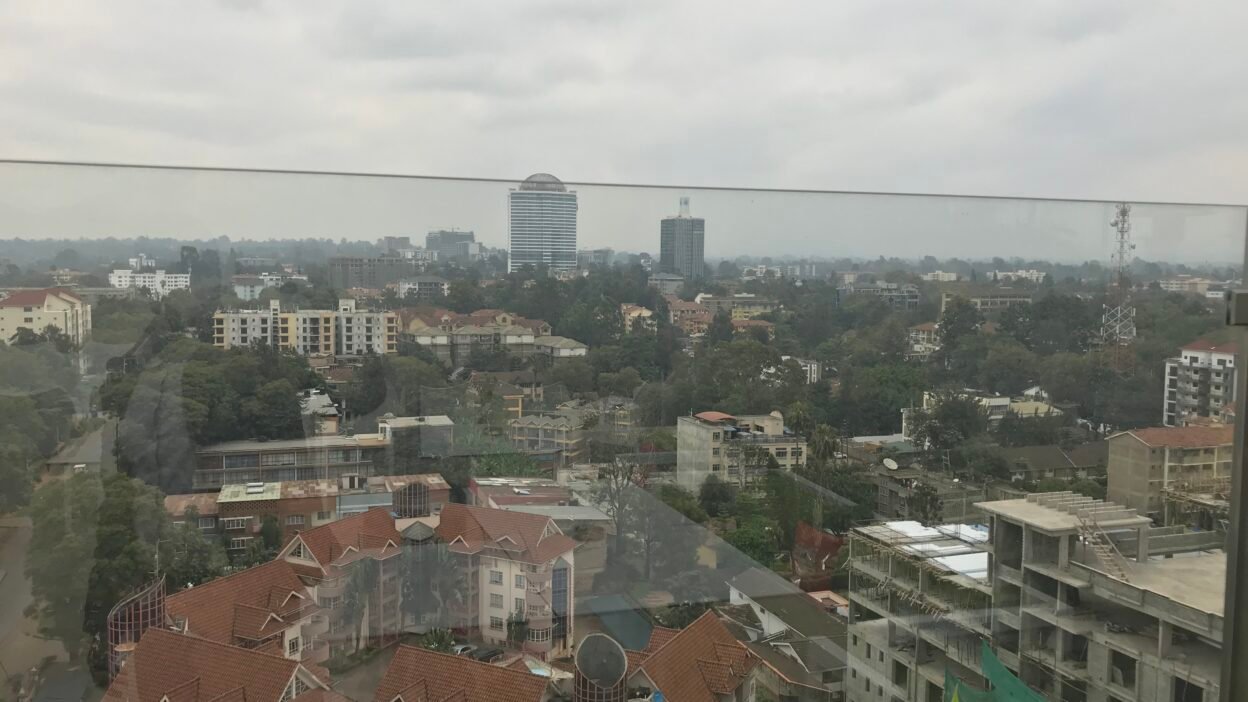

A skyline full of cranes raises an obvious question: is Nairobi building too many apartments? The answer depends on which neighbourhood, price bracket and unit type is being discussed. A concentration of new luxury studios for short stays can coexist with shortage of appropriately priced family housing elsewhere.
Oversupply occurs when the amount of available housing at a given price exceeds effective buyer or tenant demand over a sustained period. An announcement of 1,000 future units is not 1,000 completed apartments, and a listing count can include repeated adverts for the same home. These distinctions matter when evaluating Nairobi apartment oversupply risk in 2027.

What Kenya’s price indices do—and do not—show
The KNBS Q2 2026 residential price report shows apartments up 0.1% annually, while standalone houses rose 3.1%. Within its sampled geographical strata, apartment pricing moved differently. These observations are consistent with a differentiated housing market but cannot, on their own, establish oversupply in Kilimani, Kileleshwa, Parklands or Westlands.
Researchers also use the HassConsult House Price Index and field inspections to compare neighbourhood-level trends. Always record the publisher, quarter, sample definition and whether quoted prices are achieved transactions or asking-price estimates.
Six indicators of a potentially crowded submarket
- Rising completed inventory: multiple comparable buildings receive occupancy approvals and enter leasing at the same time.
- Longer vacancy: completed units remain empty for more months despite active marketing.
- Repeated rent reductions: asking rents are cut or landlords offer incentives across numerous similar properties.
- Discounted resale listings: owners undercut newly launched equivalents after adjusting for finishes and service charges.
- Escalating operating cost per occupied unit: maintenance and shared utilities are spread across fewer paying occupants.
- Weak conversion: abundant enquiries but few reservations or executed leases at the advertised rate.
One signal by itself may have an alternative explanation. Several signals sustained over two or three quarters are more persuasive.
A neighbourhood-level watchlist, not a ranking
| Area | Key type of competition to examine | Evidence still needed |
|---|---|---|
| Kilimani | High-density apartment projects of similar size | Verified completions, absorption and achieved rents |
| Kileleshwa | Mid-to-upper apartment stock and resale alternatives | Unit-size-adjusted sales and vacancy |
| Westlands | Mixed corporate, short-stay and residential demand | Short-let seasonality, long-let conversion |
| Parklands | Family-sized apartments and newer mixed layouts | Service charges, delivered stock and tenant profile |
| South C | Off-plan schemes alongside established family housing | Completions, access and realised lease rents |
These are research questions, not an assertion that any listed neighbourhood currently has surplus housing. A better 2027 article updates this watchlist with building-by-building observations.
Why small price differences can change an investor’s outcome
Suppose two apartments are both offered for KSh 12 million. One attracts KSh 85,000 monthly and the other KSh 75,000. Their advertised gross yields before vacancy and expenses are 8.5% and 7.5%, respectively. If the first property is empty for three months and the second for one month, the difference in annual receipts narrows significantly. Meanwhile, the better-managed building may retain tenants despite a less eye-catching advertised return.
For all buy-to-let calculations, add taxes, maintenance, agent fees, loan interest and resale charges. A short-let model should also include furnishing depreciation, platform fees, cleaning, utilities and unusually uneven occupancy. Annualising a peak holiday month is not an investment forecast.
How developers can respond without damaging market trust
Quality and transparency have more durable value than claims that every unit will sell out. Developers can publish dated construction progress, honest unit availability, a clear specification and a realistic service-charge budget. They should distinguish a completed building from a render and state whether sales figures refer to reservations, contracted sales or registered ownership.
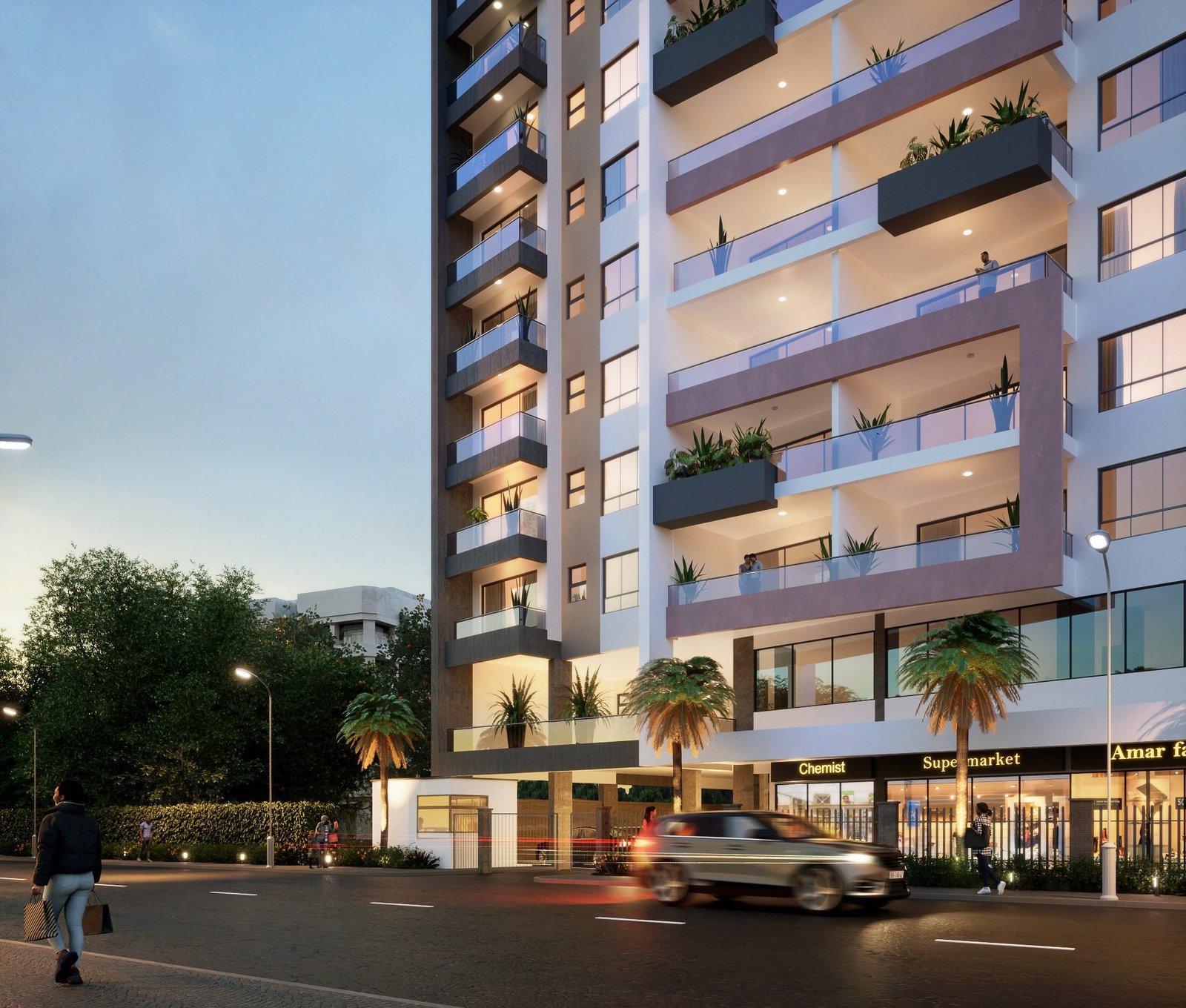
At Gazebo Apartments in Parklands, developer-published media can be used with permission to illustrate intended layouts and facilities. It does not independently establish a 2027 occupancy rate or achievable rental premium. Buyers should verify the built condition and competing supply.
How an investor can test absorption before paying a deposit
Request the number of comparable units completed within 1–2 kilometres, inspect three actual leases where possible, compare building-level days-on-market and ask a property manager for a conservative vacancy expectation. Ask your conveyancing lawyer to validate the scheme’s approvals and the seller’s right to transfer the property. A location with many cranes may still work if its product meets proven unmet demand at a realistic price.
FAQ: Do more construction cranes mean prices must fall? No. Future supply matters only relative to demand, timing, specifications and the prices landlords and sellers can sustain.
FAQ: Should buyers avoid apartments in 2027? A broad boycott is not supported by the data. The investment decision should be property-specific and include a stressed income model.
Bottom line: Replace skyline-based speculation with evidence of completed stock, vacancy, rent concessions and genuine transactions.
Sources and methodology
- KNBS, Residential Property Price Index, Q2 2026
- HassConsult, house price and rent index series
- NCA, construction project registration
Related Nommadj 2027 reading
- Kenya Rental Yields 2027: Gross vs Net Returns Explained (another 2027 article in this draft series)
- Nairobi Neighbourhoods for Diaspora Investors in 2027 (another 2027 article in this draft series)
Editorial disclosure and update note (23 November 2026): This article is market analysis, not a specific investment offer or personalised legal/tax advice. Nommadj references Gazebo Homes Ltd project materials with publisher-confirmed reuse permission; developer visualisations are labelled and are not independent proof of construction, occupancy or financial performance. Figures are dated and may change before 2027. Independently verify property claims and transaction documents.