


Pinterest content strategy matters if you want to turn your Pins into consistent traffic, saves, and engagement. In this guide, you’ll discover 7 proven Pinterest content strategy tips designed to help bloggers and brands unlock Pinterest’s full potential.
Table of Contents
Why Pinterest Works & What Makes a Good Strategy
Pinterest operates like a visual search engine people use it to discover ideas, inspiration, and actionable content (not just pretty pictures). A smart Pinterest content strategy helps you stand out, stay organized, and drive consistent traffic back to your blog or brand site. Combining the right content with optimized visuals and SEO-friendly copy can significantly boost your reach and engagement.
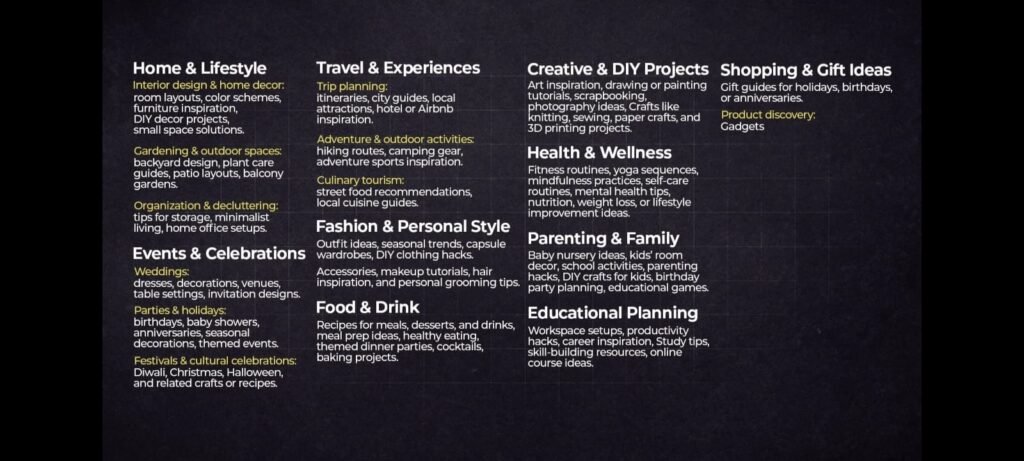
Pinterest categories of pages and type of business inforgraphic
Tip 1: Focus on Evergreen & High-Demand Content Themes
Choose content themes that resonate with what Pinterest users are consistently searching for: home décor, DIY projects, recipes, style inspiration, wellness, travel, and more. By focusing on evergreen topics, your content remains relevant and continues to perform long after you publish.
Tip 2: Use High-Quality Visuals + Optimized Images
High-quality, bright, well-composed images or graphics are essential. Optimize images for web performance (small file size but good quality), use descriptive filenames, and always include alt text with your focus keyword for example: “Pinterest content strategy infographic showing content categories”. This helps with accessibility, image search, and overall SEO.
Tip 3: Write SEO-Friendly Pin Titles & Descriptions
Your Pin titles and descriptions should be clear, keyword-rich, and reflect what users are searching for. In your blog post (linked from the Pin), ensure the focus keyword appears naturally in the first paragraph, at least one subheading, and a few times throughout the content. Aim for about 1% keyword density.
Also consider using related or semantic keywords to reach a broader audience for instance: “Pinterest marketing tips”, “how to use Pinterest for traffic”, etc.
Tip 4: Structure Content for Saveability & Shareability
Use a clean, scannable structure with subheadings, bullet lists, numbered steps, and short paragraphs (2–4 sentences). This improves readability, helps users quickly scan and decide to save your Pin, and signals to search engines that your content is well-organized. Provide real value guides, checklists, tutorials content that invites saving and sharing.
Tip 5: Mix Content Types – Tutorials, Gift Guides, Lists, Seasonal & Evergreen
Alternate between evergreen content (e.g. DIY décor ideas, healthy recipes, outfit capsules) and timely content (holiday décor, seasonal fashion, festive recipes). Variety helps you reach different segments of your audience and keeps engagement high.
Tip 6: Leverage Timing – Seasonal & Evergreen Balance
Seasonal content (like holiday décor, seasonal recipes, gift guides) tends to get spikes in searches plan such content ahead. Meanwhile, evergreen content ensures your profile stays valuable year-round. The balance can maximize your traffic over time.
Tip 7: Track Performance & Refresh Pins Regularly
Monitor which Pins perform best (saves, clicks, repins). Replicate successful formats or topics. Refresh older Pins update images, improve descriptions, or rework content. This keeps your Pinterest content fresh and aligned with user interest over time.
Common Pinterest FAQs
How can I grow my blog using Pinterest?
Use Pinterest as a visual gateway: create Pins for your best content, optimize them with keywords, link back to full blog posts and leverage tutorials, guides, and evergreen content to attract long-term traffic.
What types of content perform best on Pinterest?
Content that offers inspiration and practical value: DIY & crafts, recipes, home décor, fashion inspiration, wellness routines, travel ideas, gift guides, printables, checklists especially when presented with high-quality visuals.
How do I design a Pin that gets repinned?
Use attention-grabbing images or infographics, clear titles/descriptions, vertical format (e.g. 1000×1500 px), overlay text summarizing the content (e.g. “10 Budget Home Décor Hacks”). Make it easy to understand at a glance. Then link to a full post with more details.
How often should I post on Pinterest?
Consistency matters more than volume. Aim for regular posting e.g. 3–7 Pins per week and focus on quality, evergreen content that remains relevant over time. Track performance and adjust frequency based on engagement.
What keywords should I use in my Pin titles/descriptions?
Use your main focus keyword (e.g. “Pinterest content strategy”) and relevant variations that reflect user intent: “Pinterest marketing tips,” “how to use Pinterest for traffic,” “best types of content for Pinterest,” etc. Use them naturally don’t force or over-stuff.
Conclusion & Next Steps
Using a structured Pinterest content strategy combining evergreen & seasonal content, optimized visuals, SEO-friendly copy, and good posting habits can help you build an engaged audience, drive consistent traffic, and grow your brand or blog. Choose 2–3 content types that match your niche, plan a content calendar, start designing Pins, and track your results. Your Pinterest journey starts here!